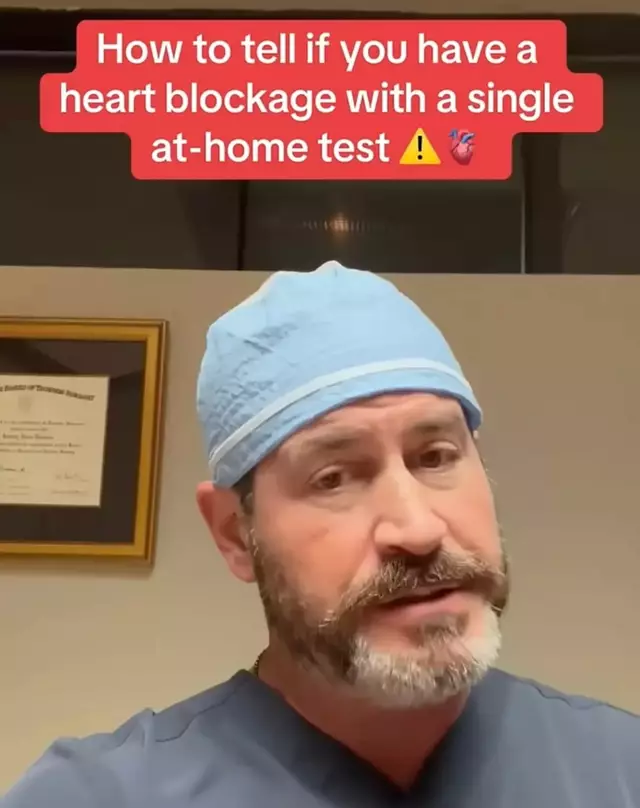
A heart surgeon says a simple at-home check could help you spot warning signs of a possible heart artery blockage—and it starts with paying attention to how your body reacts to activity.
Dr Jeremy London, a cardiovascular surgeon, explains that you don’t always need a test like an ECG to notice potential red flags. Instead, he suggests watching for symptoms that appear with exertion and ease with rest.

What to look for during activity
If you feel any of the following while walking briskly, climbing stairs, or doing chores, take note:
- Chest tightness or chest pain
- Shortness of breath
- Pain that spreads to the jaw or arm
If these symptoms improve when you stop and rest, Dr London says that pattern can be a serious warning sign and should prompt a medical check.
Why rest matters
He explains it simply: when an artery is narrowed, the heart may struggle to get enough oxygen-rich blood during effort. When you rest, the heart’s workload drops—so the discomfort can fade.
Important reminder
This isn’t a diagnosis, and having no symptoms doesn’t rule anything out. But if you repeatedly notice this exercise-then-relief pattern, it’s a strong reason to speak with a healthcare professional as soon as possible.