The Nipah virus is currently causing concern in parts of Asia, leading several countries to reinstate health screenings at airports. While the number of cases is relatively low, health officials are on high alert due to the virus’s serious nature.
Nipah is a “zoonotic” virus, meaning it spreads from animals—specifically fruit bats and pigs—to humans. It can also be transmitted through contaminated food or direct contact with an infected person. Unlike the common flu, it has a high fatality rate, estimated between 40% and 75%.
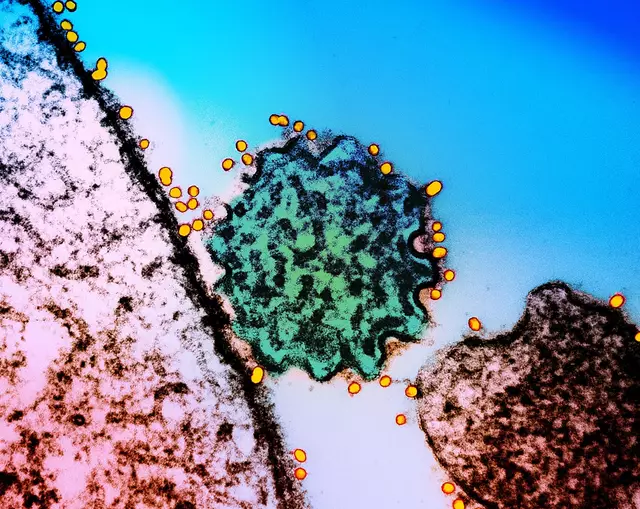
The illness typically begins with sudden, flu-like symptoms. If you are monitoring for infection, look for high fever, headaches, muscle pain, and extreme fatigue. Some patients also experience respiratory issues, such as a cough or shortness of breath.
In severe cases, the virus causes encephalitis, which is a dangerous swelling of the brain. This can lead to confusion, seizures, or even a coma. These neurological symptoms usually appear within several days to weeks after the initial illness begins.

Currently, there are no vaccines or specific cures available for Nipah. To limit the spread, affected regions have reintroduced safety protocols, including temperature checks and masking. Staying informed through official travel advisories remains the best way to stay safe.