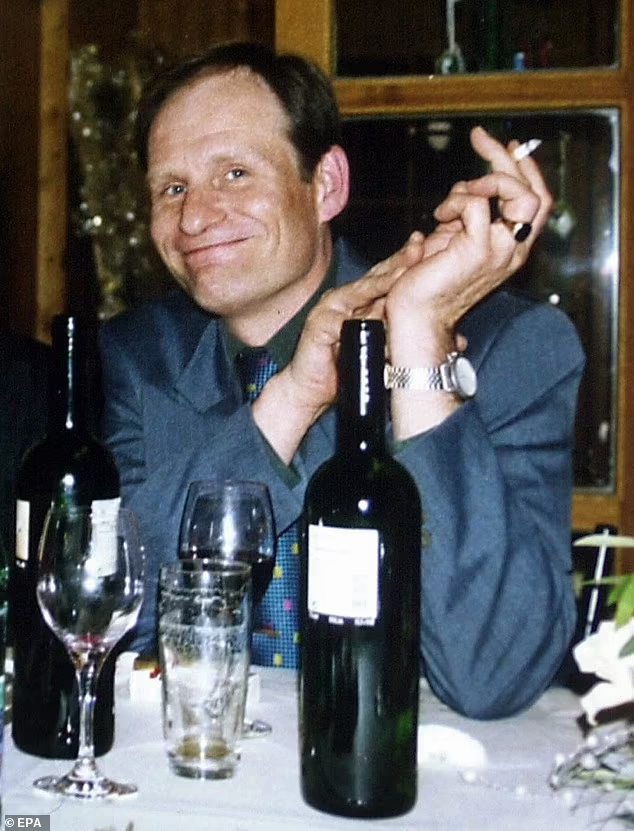
The man who let a cannibal cut off his penis so they could eat it together… then allowed his murderer to kill him and cut him into pieces to consume at his leisure
More than two decades later, one of Germany’s most disturbing criminal cases still raises unsettling questions about consent, responsibility, and the dark reach of the early internet.
In 2001, Bernd-Jürgen Brandes, a 42-year-old engineer from Berlin, answered an online post that few would have taken seriously. The message, placed on a niche internet forum, came from Armin Meiwes, a quiet computer technician living in the small town of Rotenburg. Meiwes claimed he was seeking a willing participant for a violent fantasy involving cannibalism.
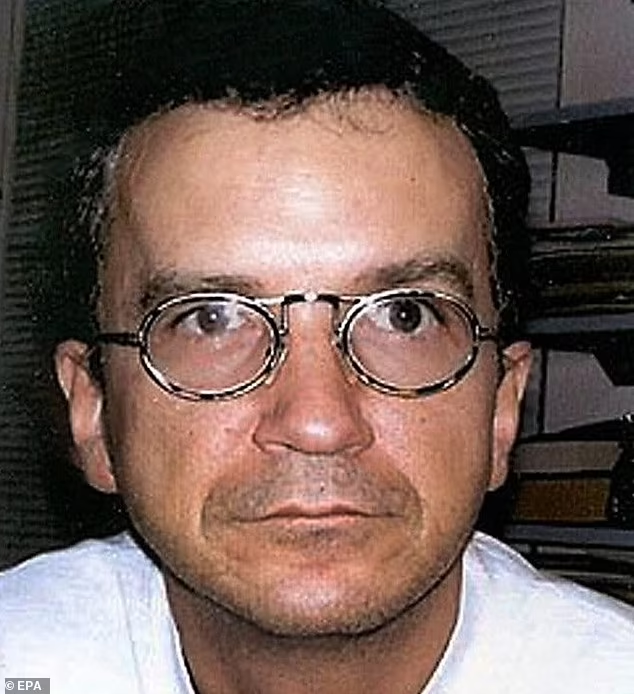
Shockingly, Brandes responded. Over months of online conversations, the two men discussed their shared fixation in disturbing detail. Investigators later confirmed that Brandes knowingly agreed to the plan and traveled to Meiwes’ farmhouse in March that year.
What followed horrified the nation. Brandes died during the encounter, and Meiwes recorded the events and kept parts of the body. For months afterward, he lived unnoticed, until he again posted online. This time, an internet user alerted police.

The case stunned the courts. Lawyers debated whether consent could ever excuse such an act. In 2004, Meiwes was first convicted of manslaughter. However, public outrage led to a retrial. In 2006, he was found guilty of murder and sentenced to life in prison.
Today, the case remains a grim reminder. It exposed how online spaces can connect vulnerable individuals in dangerous ways. Above all, it showed that consent does not erase responsibility when human life is lost.