Across Europe, a quiet pattern repeats itself with heartbreaking regularity.
A young woman asks for a say in her own life. She chooses her partner. She rejects an arranged marriage. Or she simply adopts a more Western lifestyle.
At first, the dispute stays inside the family home. However, in some cases, anger grows into deadly resolve. Soon she is reported missing. Later, her body is found. The killing is then described as a matter of “honour”.

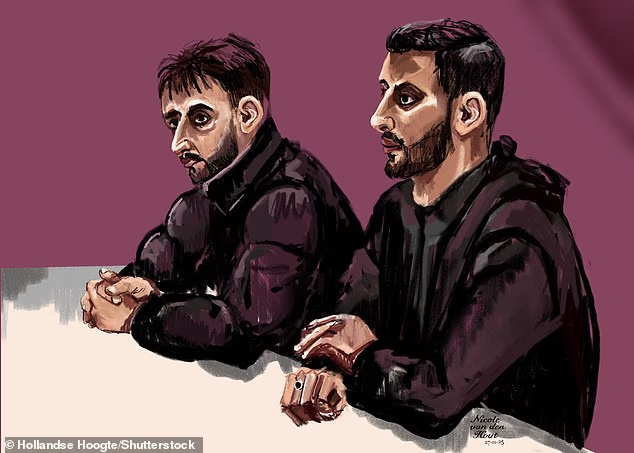
Campaigners warn that these are not isolated tragedies. They point to cases such as 18-year-old Ryan Al Najjar in the Netherlands, whose modern way of life allegedly enraged her relatives. In Italy, 18-year-old Saman Abbas was murdered after resisting a forced marriage, prosecutors say. In Sweden, 20-year-old, pregnant Saga Forsgren Elneborg was strangled by her boyfriend, who feared his family’s reaction.
Earlier cases in Germany, Denmark, Belgium and Italy tell the same story. Young women sought independence, education or love on their own terms. Their families, however, saw defiance instead of hope. Courts later called these deaths honour crimes.
Experts say many killings hide inside statistics on domestic violence, because they occur within families. Yet the motives are different. The trigger is often control over marriage, dress, relationships or perceived “shame”.
Women’s groups argue that Europe still reacts too slowly. They call for better training, faster protection and a clear message that no tradition justifies murder.
These women did not die for breaking the law. They died for claiming the right to live freely.