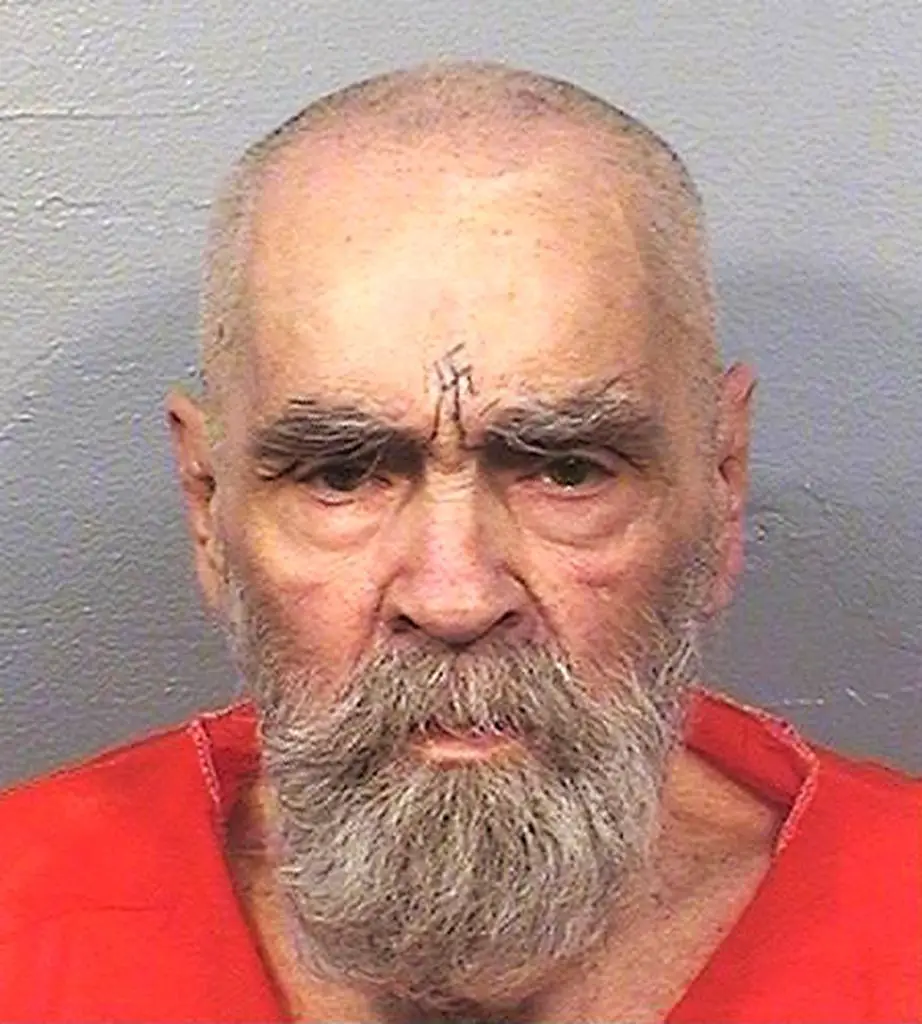
It is difficult to believe that a troubled boy from the American Midwest would grow up to become one of the most notorious criminals in modern history. His childhood was unstable and chaotic, shaped by neglect, crime, and frequent moves between caregivers and institutions.
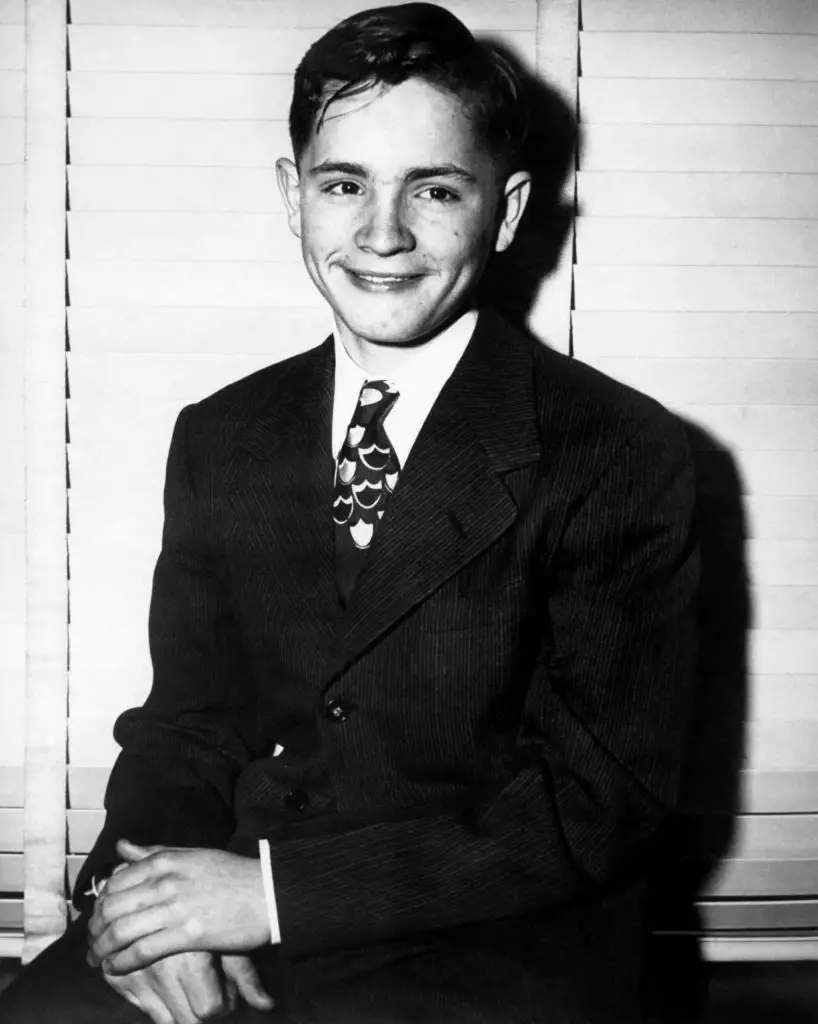
As a teenager, his behavior became more violent and unpredictable. He passed through several reform schools and detention centers, where harsh discipline and abuse only increased his anger and isolation. Mental health evaluations later described him as deeply antisocial, with little empathy for others.
In adulthood, he discovered an ability to control and manipulate people. He targeted vulnerable young individuals, presenting himself as a guide and protector. Through intimidation, emotional pressure, and false promises, he gained total influence over those around him.
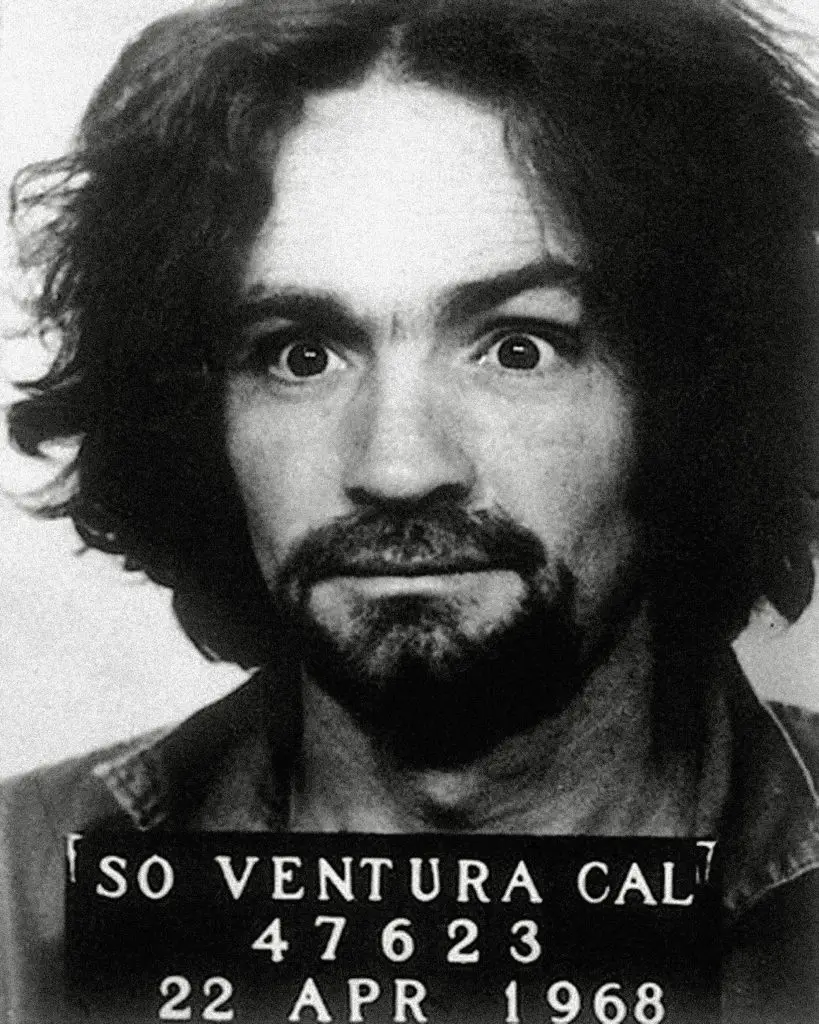
Over time, his distorted beliefs turned extreme. He embraced racism, paranoia, and apocalyptic ideas, convincing his followers that violence was necessary. In 1969, these beliefs led to a series of shocking murders that horrified the United States and revealed the full extent of his danger.
That boy became Charles Manson. His name is now a symbol of manipulation and evil. Sentenced to life in prison, he never accepted responsibility for his actions. His story remains a stark warning of how trauma, untreated mental illness, and blind loyalty can lead to devastating outcomes.