Earlier generations lived by a simple rule: you shaped your lifestyle around what you could truly afford. Careful budgeting, modest habits, and a reluctance to rely on government help were part of everyday life, and turning to the state was seen as a last resort.
Today, that approach feels far removed from modern expectations. Many people now hope to maintain a lifestyle that exceeds their income — with public benefits filling the gap. The recent case of Thea Jaffe, a single mother of three, has brought this debate back into focus.
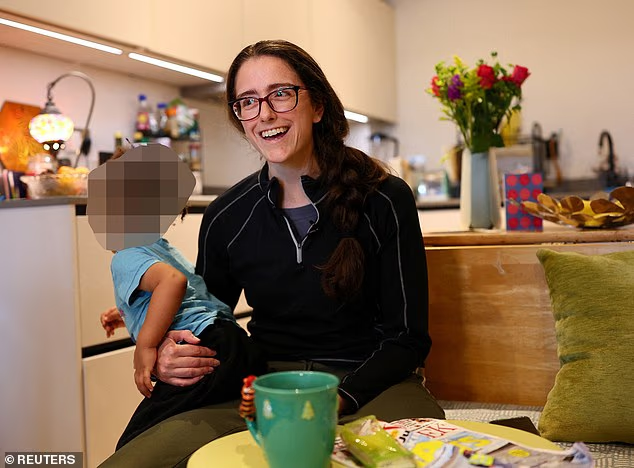
Jaffe earns about £2,800 per month in her job, yet also receives around £3,340 in benefits, giving her a monthly income of more than £6,000. That total is comparable to what someone with a six-figure salary might take home. While she has followed the rules and done nothing wrong, the figures raise understandable questions about the system itself.
Her situation points to a larger issue: a welfare structure that can produce results many view as neither fair nor financially sustainable. Jaffe lives in London, where rent and childcare costs are high, but those costs stem from personal choices. Meanwhile, professionals like teachers, junior doctors, and even MPs often earn less than her combined income.
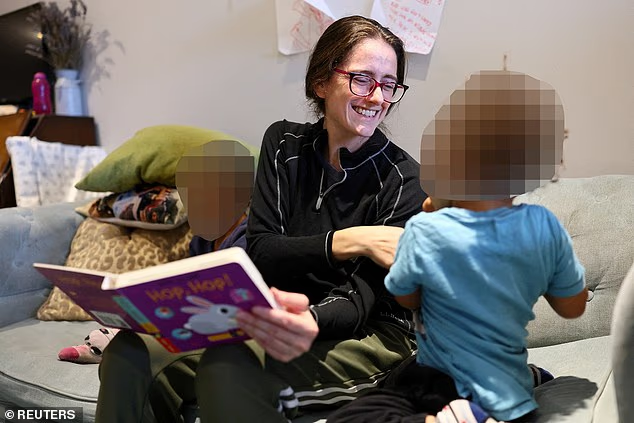
Jaffe believes the real problem is the high cost of living faced by working families. Yet many taxpayers with similar challenges receive no support at all.
Her story highlights a difficult balancing act: helping families who genuinely need assistance without creating long-term reliance on government benefits.