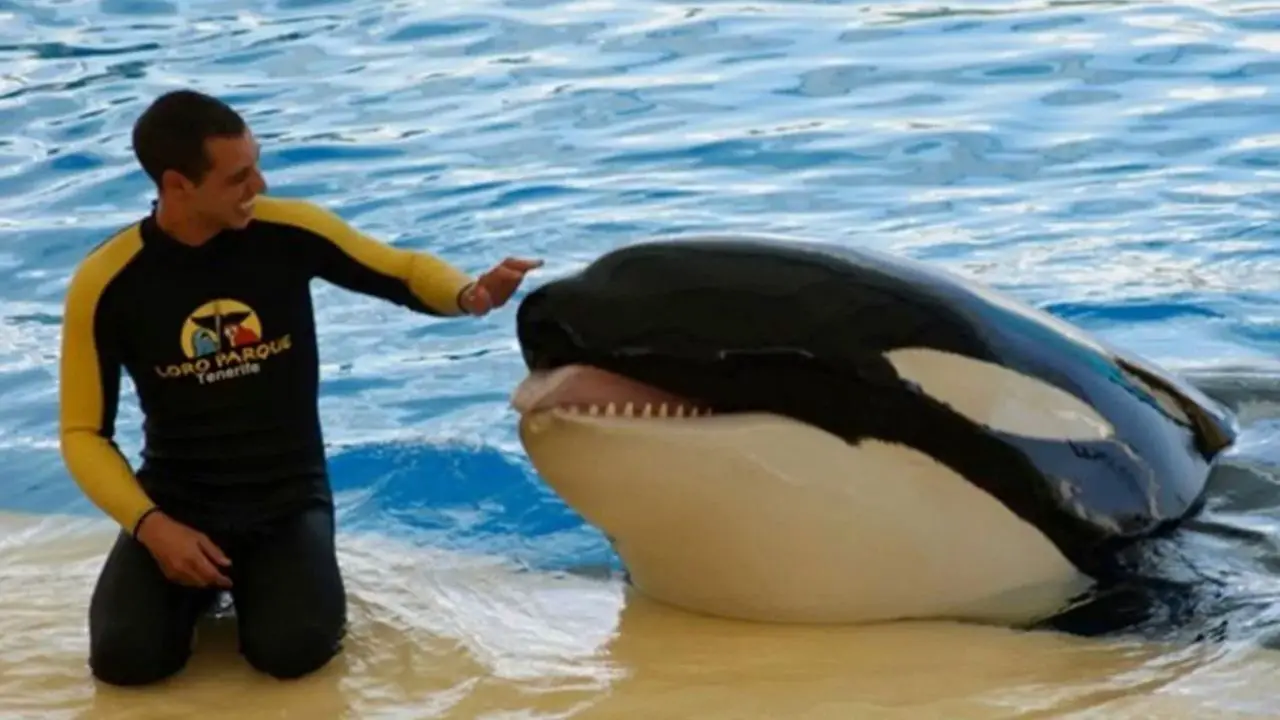
Trainer’s Grisly Death As SeaWorld Orca Crushed Him And ‘Violently Played With His Body’
Working closely with large marine animals can look smooth and controlled from the stands, but it can also carry serious risk. One tragic case involved an experienced orca trainer at a water park in Tenerife.
The trainer, Alexis Martínez, worked with an orca named Keto, an animal that had lived only in captivity and performed for crowds at several parks. People close to Martínez said he understood the dangers of working with such a powerful predator and had expressed worry that an accident could happen.
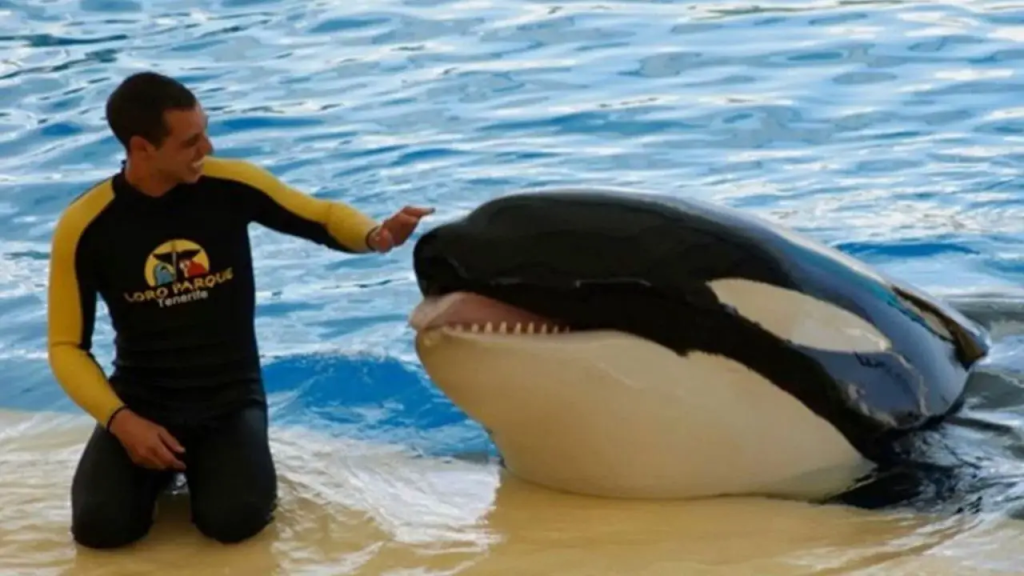
During rehearsal for a holiday show, staff noticed Keto was not responding as expected. As Martínez swam in the training pool, the orca repeatedly forced him underwater. Other trainers tried standard signals and controls to stop the behavior, with only brief success. The animal then surfaced with Martínez on its snout before releasing him. His body was recovered after staff moved the orca away from the area.
A post-mortem examination concluded Martínez died from severe injuries caused by the attack, including major internal trauma and bleeding.
Incidents like this remain rare, especially in the wild. Reports note there are no documented cases of an orca intentionally harming a person in the ocean. Even the name “killer whale” is tied to hunting other whales, not people.
What do you think should matter most when deciding whether large wild animals should perform in captivity?