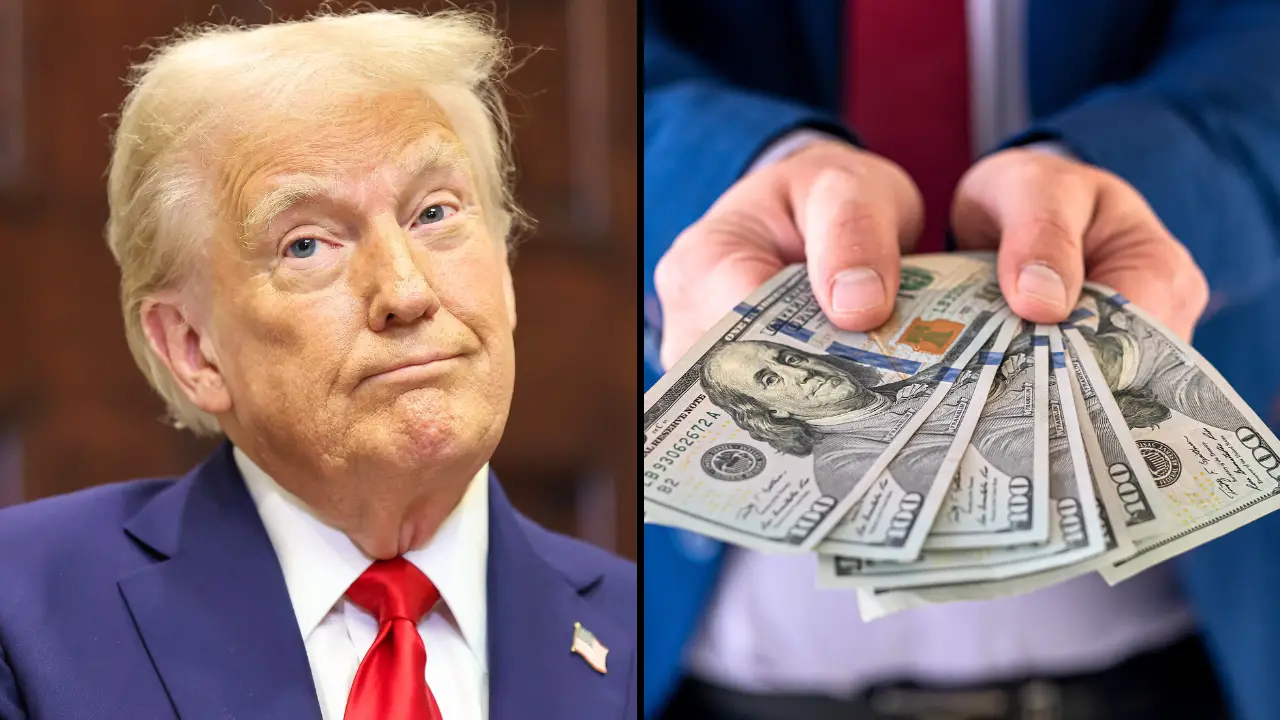
Trump Reveals Whether Americans Will Receive $2,000 Checks He Promised Before Christmas
After weeks of speculation, President Donald Trump has finally addressed whether the widely discussed $2,000 tariff dividend will arrive before Christmas. Many Americans have been waiting for clarification ever since he first announced the idea in early November, suggesting that tariff revenue was high enough to fund sizeable payouts for most households.
Trump’s message was bold: the country was collecting “trillions” through tariffs, and a dividend of at least $2,000 per person—excluding high-income earners—would soon be possible. The announcement surprised many, especially since earlier statements from his administration suggested tariff funds would be used to reduce the national debt rather than support direct payments.
Despite the excitement, eligibility and timing remain unclear. Trump has only said the payment would support those with “moderate income,” offering no precise thresholds. Treasury Secretary Scott Bessent added to the uncertainty by explaining that the benefit may not be a check at all; instead, it could appear as tax breaks, such as no taxes on tips, overtime, or Social Security income.
Some guidance has come from policy analysts, who note that past federal programs used income caps of $75,000 for individuals and $150,000 for married couples—a framework that may apply again.
Even so, the proposal faces steep financial and legal hurdles. Funding estimates reach as high as $600 billion, far beyond current tariff revenue, and the Supreme Court is reviewing whether certain tariff actions were lawful.
Most importantly, Trump has now confirmed that no payments will arrive before Christmas—the earliest possible timeline appears to be 2026.