
Trump’s major cannabis law change in the US explained amid warning on horrifying new side effect
President Donald Trump has signaled that he is open to changing federal cannabis laws, saying his administration is reviewing how the drug is classified. His comments come as researchers warn about a newly identified side effect linked to long-term, frequent cannabis use.
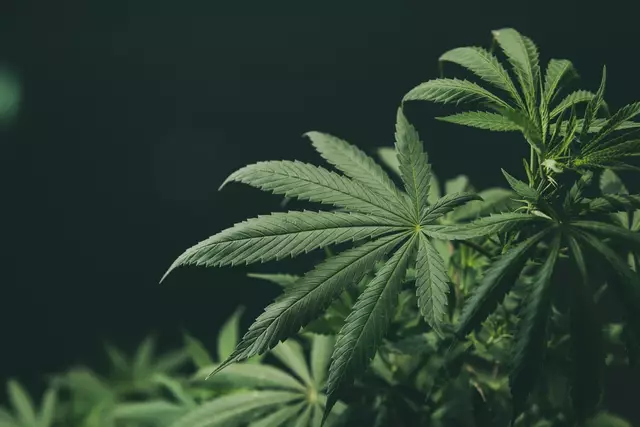
Cannabis remains illegal under federal law and is listed as a Schedule I drug, the same category as substances considered to have a high potential for abuse and no accepted medical use. Even so, many states have carved out their own rules. Dozens allow cannabis for medical treatment, including for chronic pain, multiple sclerosis, and nausea related to chemotherapy. Several states also permit limited recreational use, though regulations differ widely.
At a recent press event, Trump said federal officials are examining whether cannabis should be reclassified. He noted that medical use appears promising to many patients, but he also suggested the broader issue is more complex than it may seem.
His remarks resurfaced after scientists reported a little-known condition linked to heavy cannabis use. The illness, known as cannabis hyperemesis syndrome (CHS), causes repeated nausea and vomiting. Doctors say it can affect people who have used cannabis for years without previous problems. According to emergency physician Dr. Chris Buresh, the condition appears when a person crosses a certain use threshold—one that varies greatly from person to person. Some patients even report using cannabis to manage nausea, only to find it worsening their symptoms.

The growing concern around CHS has added urgency to discussions about national cannabis policy. Any federal change would affect how states regulate the drug, how doctors prescribe it, and how research is conducted.