Vaccine safety alert: Jab rolled out to millions ‘could cause neurological illness’, health chiefs warn
Health officials are advising patients to stay informed after new findings linked a recently introduced RSV vaccine to a rare nerve condition.
The warning comes from U.S. regulators reviewing data on vaccines that protect against respiratory syncytial virus, commonly known as RSV. This virus usually causes mild cold symptoms. However, it can be dangerous for older adults and very young babies.
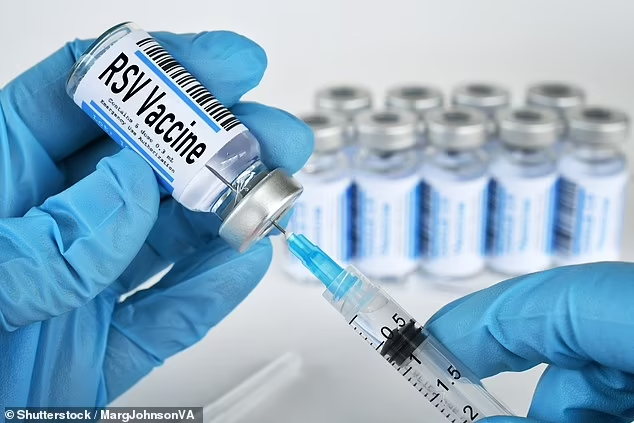
According to the U.S. Food and Drug Administration, an American study found a small rise in cases of Guillain-Barré syndrome within six weeks of vaccination. This condition affects the nervous system and can lead to muscle weakness and, in severe cases, breathing problems.
The study reviewed two RSV vaccines. One of them, also used in the UK, showed about nine extra Guillain-Barré cases per million doses. The second showed seven additional cases. By comparison, flu vaccines are linked to one or two cases per million.
Despite this, health authorities stress that the overall risk remains very low. Importantly, they continue to recommend the RSV jab for those most at risk. In fact, they say the benefits still clearly outweigh the dangers.
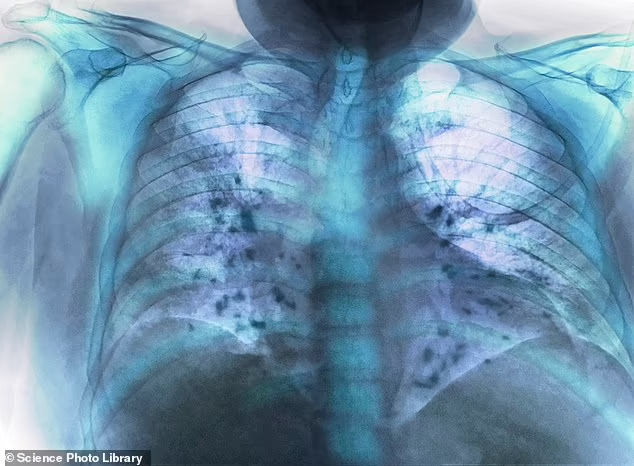
In Britain, the RSV vaccine is offered to adults aged 75 to 79. Pregnant women after 28 weeks are also encouraged to receive it, as it helps protect newborns. Officials report no evidence that the vaccine raises Guillain-Barré risk during pregnancy.
RSV remains a serious seasonal threat. Each year, it hospitalizes tens of thousands and contributes to many deaths. As cases rise this winter, doctors continue to urge eligible patients to consider vaccination while staying aware of potential side effects.