We got my husband’s diagnosis – he died within days
My husband Nigel spent more than a year searching for answers before finally receiving a diagnosis. By the time doctors discovered the truth, it was already too late.
When a nurse placed an IV in Nigel’s arm, I saw the pain lift from his face for the first time in months. I felt a spark of hope. But the next morning, everything changed. Doctors told us Nigel had cancer, although they could not say exactly which type yet. What they did know was that it had spread throughout his body. The shock in their eyes told us everything.
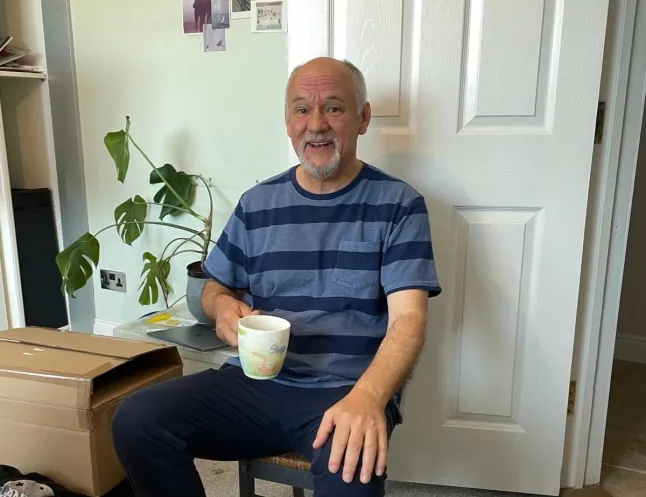
Nigel was moved straight to palliative care. I held his hand, unable to find the right words. All I could think about was how I would explain this to our children.
Nigel’s symptoms began early in 2023 with back and leg pain. Despite several visits, he was repeatedly sent home with advice or medication for pain or indigestion. We eventually paid for a private MRI, but because it focused only on his lower back, it missed the cancer growing in his pancreas.
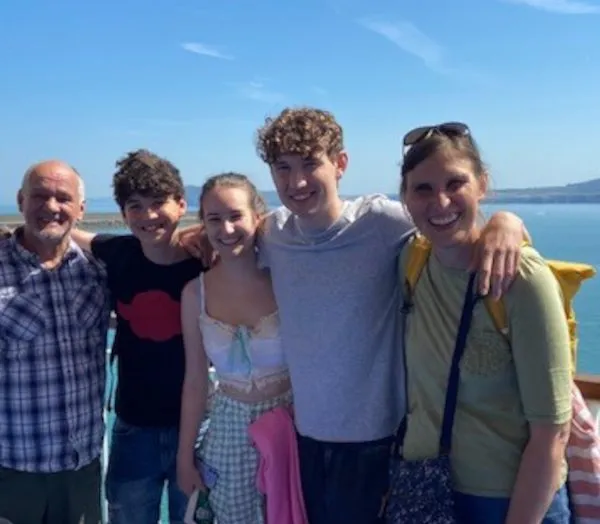
As summer passed, Nigel grew weaker. He lost weight, struggled to eat, and relied on crutches. Nights were filled with pain. Getting help felt impossible.
Everything changed near Christmas when he could no longer urinate. After a difficult trip to A&E, a nurse finally recognized how unwell he was. But by then, the cancer was everywhere.
Twelve days after we were told the diagnosis, Nigel died at 61 with our family around him. A week later, I learned it was pancreatic cancer.
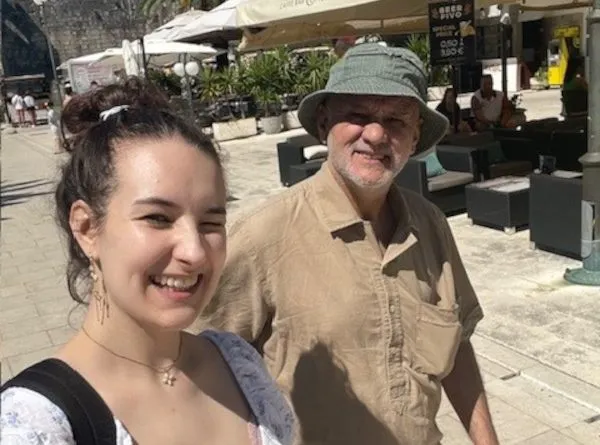
Sharing Nigel’s story now feels important. Early detection tools are desperately needed. If something as simple as a breath test had existed, perhaps we could have had more time together.