Nonsmoking Utah cyclist’s lung cancer first showed up as calf pain
ArchiveFirst published July 4, 2025. It may not reflect later developments.
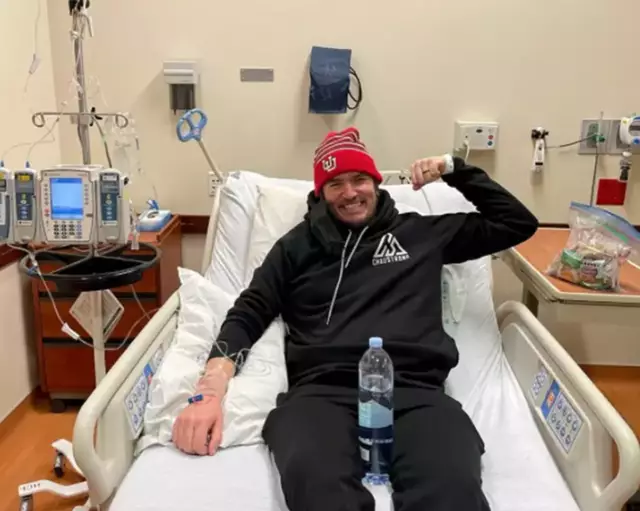
Chad Dunbar was riding more than 3,000 miles a season on his mountain bike and had never smoked when he learned he had advanced lung cancer. The Utah father spent his final years urging others to understand that the disease does not only affect smokers.
A diagnosis no one expected
Dunbar, a tech worker from Utah and the father of two sons, Walker and Noah, had served for six years as a ride leader for what LADbible described as the largest youth cycling team in the United States. In 2022, about a week after logging more than 3,000 miles on his bike, he was told he had lung cancer.
“I was doing 3,000 miles on my mountain bike every season and my lungs were probably the healthiest piece of me,” he said in a video produced by the patient advocacy group RETpositive, which was later reported by SurvivorNet and LADbible.
The only symptom: pain in his calf
Dunbar did not have a cough or trouble breathing. The one sign that something was wrong was pain and swelling in one of his calves, which he initially put down to an overworked muscle, LADbible reported.
Tests showed stage 4 lung cancer driven by a RET gene fusion. By the time the RETpositive video was filmed, the group said, the cancer had spread to his brain, liver, bones and lymph nodes near his heart.
Treatment and “five percent”
In March 2024, Dunbar said his doctors had given him a 5% chance of living longer than five years. “Freaking five percent, I’ll take those odds,” he said.
After about six weeks on targeted therapy, his scans showed a “big improvement,” he told RETpositive, according to SurvivorNet. Months later, he learned that a “passenger mutation” was growing in his brain and liver.
He credited the people around him for helping him keep going. “The support is huge, it’s what allows me to endure through this,” he said. “Every day is a battle.”
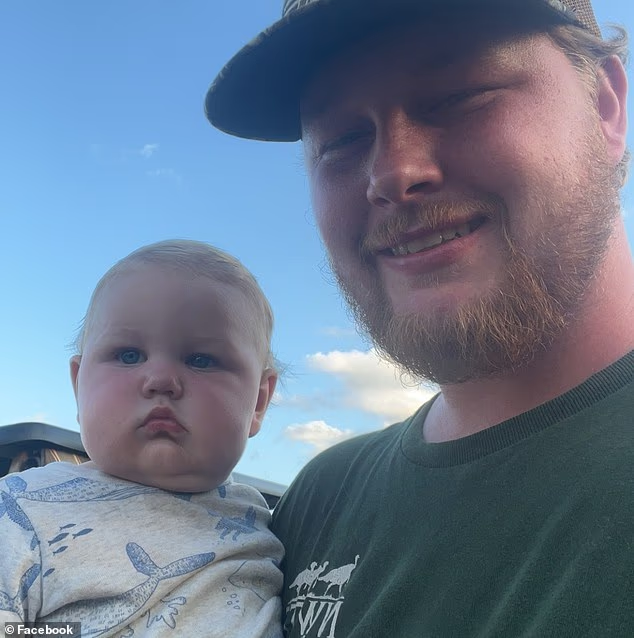
In a public post on LinkedIn, his son Walker later wrote that the family lost his father to lung cancer in June 2025. Walker said he and two fellow riders launched a cycling team, Respira Racing, with the Happy Lungs Project to raise awareness of lung cancer, fund research and push for earlier detection.
Why it matters: lung cancer in people who never smoked
Smoking remains the leading cause of lung cancer. The Centers for Disease Control and Prevention links cigarette smoking to about 80% to 90% of lung cancer deaths. But a significant share of patients have never smoked: according to the American Cancer Society, as cited by SurvivorNet, around 20% of people who die from lung cancer in the U.S. never smoked or used any other form of tobacco.
Cancers in never-smokers are more likely to be driven by a single genetic change that can be targeted with medication. Dr. Ronald Natale, a medical oncologist at Cedars-Sinai Medical Center, told SurvivorNet that doctors find a mutation they can target with pills in about 60% to 70% of nonsmokers or former very light smokers.
RET fusions are one of those changes. According to the American Lung Association, they occur in about 1% to 2% of people with lung cancer, usually in a type of non-small cell lung cancer called adenocarcinoma, and patients with them tend to be younger than average and to have little or no smoking history. The association says biomarker testing of the tumor, through tissue or blood, is the way to find out whether a cancer is RET-positive and whether RET-targeted drugs may help.
Lung cancer can be hard to catch early. As thoracic surgeon Dr. Joseph Friedberg told SurvivorNet, it often “causes no issues until it has spread somewhere.” Dunbar’s story is a reminder that unusual or persistent symptoms deserve a doctor’s attention, even in people who are fit and have never smoked.
Sources
- SurvivorNet – April 15, 2025
- LADbible – April 14, 2025
- RETpositive (Instagram) – 2024
- American Lung Association: RET and lung cancer
- Walker Dunbar (LinkedIn post)