Spain train crash near Toledo: 69 dead as AVE hits Iryo train
Spain is in mourning after one of the worst rail disasters in its recent history.
At least 69 people were killed when two high-speed trains collided in the province of Toledo on Wednesday morning, 28 October. More than 100 others were injured, 15 of them critically.
What happened
The crash happened at 08:53 local time near the town of Urda, on the stretch between Mora and Orgaz.
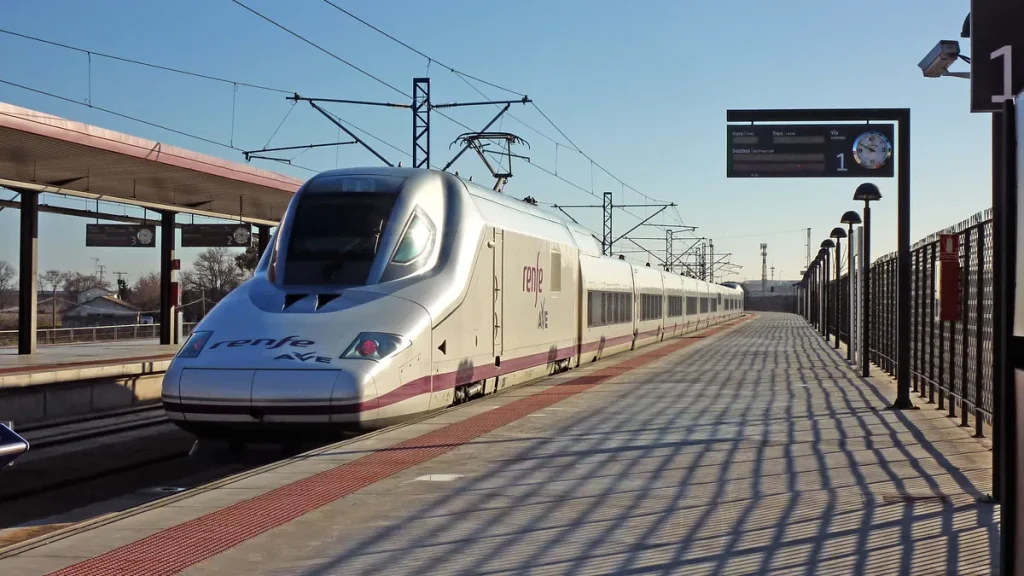
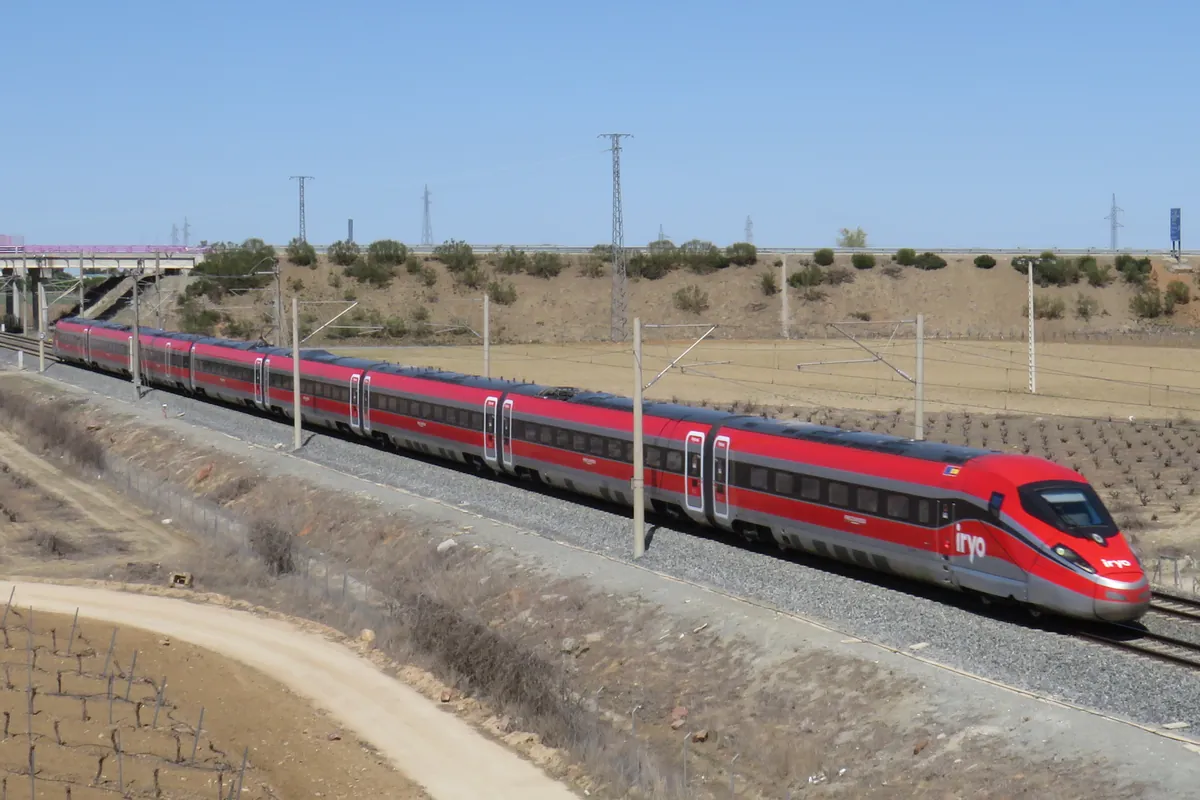
According to Reuters and Spanish public broadcaster RTVE, a Renfe AVE train (service 2080) ran into the back of an Iryo train (service 6076). The Iryo train had stopped at a red signal.
Investigators from Spain’s rail accident commission, known as AITAT, estimate that the AVE was travelling at between 160 and 200 kilometres per hour at the time.
The death toll
The figure of 69 deaths was confirmed by Emiliano García-Page, the president of the Castilla-La Mancha region.
At one point AITAT gave a figure of 74, but it later corrected this back to 69.
Renfe is Spain’s state-owned rail operator. Iryo is a private company that began running high-speed services in Spain in 2022. Since the high-speed market was opened to competition, different operators share the same tracks.
Reports on the number of passengers vary slightly. RTVE put the figure at 544 people on board, while UNILAD reported about 500.
A safety system failure
Transport Minister Óscar Puente said the LZB safety system failed at about 08:30 on a 63-kilometre section of the line. LZB is an automatic system that helps control train speeds and spacing.
Officials have stressed that it is too early to say exactly why the crash happened. All possible causes remain under investigation.
The worst in more than a decade
The crash is the deadliest train accident in Spain since 2013.
It also comes after a crash on the same line in January, which killed 46 people. That earlier disaster had already raised questions about safety on Spain’s busy high-speed routes.
Helping the families
Victims are now being formally identified, and RTVE has begun reporting the names of some of those who died.
Spain’s high-speed network is one of the largest in the world, and it is used by millions of people every year. For many families, Wednesday began as an ordinary journey to work, to see relatives or to travel for a holiday.
What happens next
Investigators will now study the signalling records, the trains’ data recorders and the timeline of the safety system failure.
Their findings are likely to shape decisions about how Spain’s high-speed lines are run and protected in the future.
Our thoughts are with everyone affected by this tragedy, and we will update this story as more official information becomes available.
Sources
Featured image: A Renfe AVE high-speed train at Toledo station (file photo, not the train involved). Photo: Adbar / Wikimedia Commons, CC BY-SA 3.0 (cropped and resized). Source