Sylvester Stallone says politics, not a fistfight, ended his Arnold feud
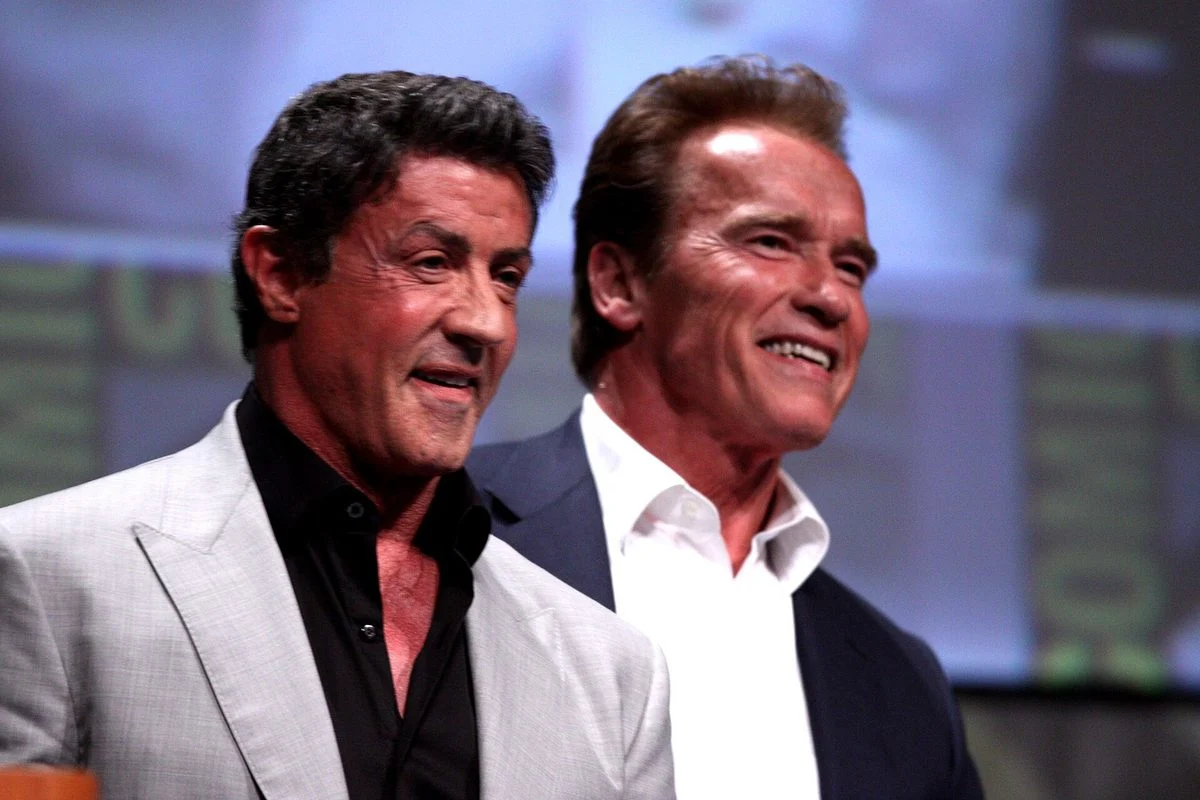
Sylvester Stallone says the decades-long rivalry with Arnold Schwarzenegger cooled for a surprisingly un-Hollywood reason: politics took Arnold out of the movie competition.
In fresh comments reported by Page Six and Daily Mail, Stallone described the feud as “very contentious” and said it once felt like “life and death” as the two men battled for the same action-star territory through the 1980s and 1990s.
According to Stallone, the turning point came around 2003, when Schwarzenegger left full-time acting to run for governor of California. With Arnold no longer fighting for the same scripts and box-office slots, Stallone said he decided enough was enough.
From rivals to occasional allies
Both men later appeared together in the Expendables franchise, a public signal that the cold war had thawed. Stallone’s new remarks do not claim the two became best friends overnight. They do underline that the rivalry was driven less by personal hatred than by a brutal market for muscle-bound leads.
Entertainment roundups on November 6, including coverage tracked by LADbible, treated the comments as a rare behind-the-scenes explanation for one of Hollywood’s most famous rivalries.
Why fans still care
For a certain generation, Stallone versus Schwarzenegger was the ultimate casting conflict — Rocky and Rambo on one side, Terminator and Conan on the other. Hearing Stallone say the feud eased because one man chose Sacramento over soundstages reframes the myth. It was competition, then logistics, then time.
The story also lands as both men are late-career figures still tied to action nostalgia. Stallone’s willingness to revisit the rivalry without reopening it suggests the chapter is closed — closed by a ballot box, not a boardroom brawl.
Stallone has told variations of the rivalry story before, but the political angle is the detail that traveled this week. Schwarzenegger’s 2003 run for governor removed him from the daily casting wars that defined 1980s and 1990s action cinema. Without that zero-sum competition, Stallone said, holding a grudge made less sense.
Both stars later leaned into nostalgia projects and ensemble films that treated their past conflict as Easter-egg fuel for fans. The Expendables movies turned former rivals into co-leads, a commercial proof that the ice had melted enough for shared posters.
In an era when celebrity feuds are often amplified for engagement, Stallone’s retelling is almost quaint. No social-media call-out, no lawyers — just two men who stopped fighting for the same roles because one of them went into public office. Hollywood rivalries rarely end that cleanly.