Global stocks slide as AI trade jitters meet Democratic midterm sweep
Global markets wobbled this week as two stories collided: a historic Democratic midterm win in the United States, and fresh fear that the artificial-intelligence boom is priced for perfection.
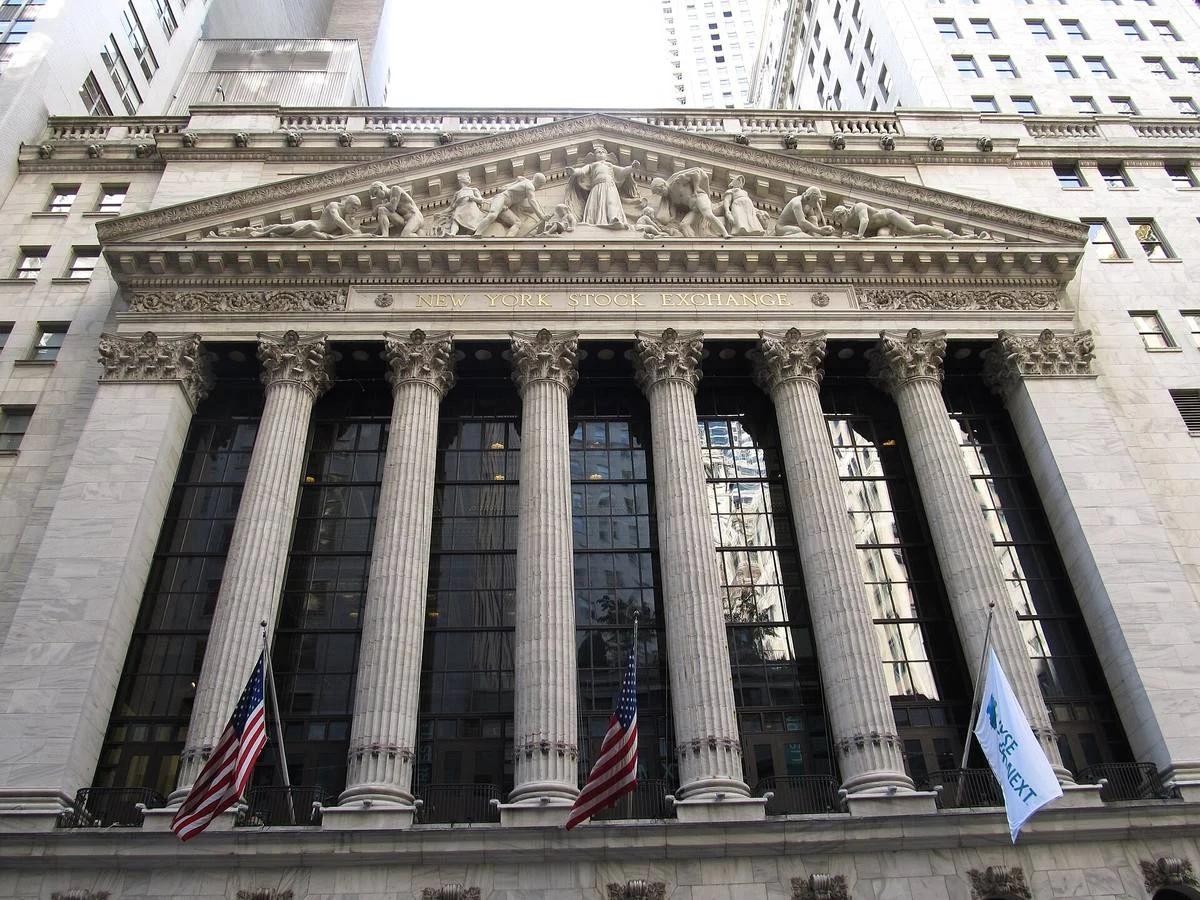
According to Daily Mail reporting on Friday trading, Japan’s Nikkei sank about 6 percent at one point, while South Korean and Taiwanese benchmarks plunged more than 8 percent after the open before partially recovering. In U.S. trading Thursday, the Nasdaq fell about 5.5 percent and the S&P 500 about 4.3 percent, with chipmakers Nvidia, Broadcom and Qualcomm among the hardest hit.
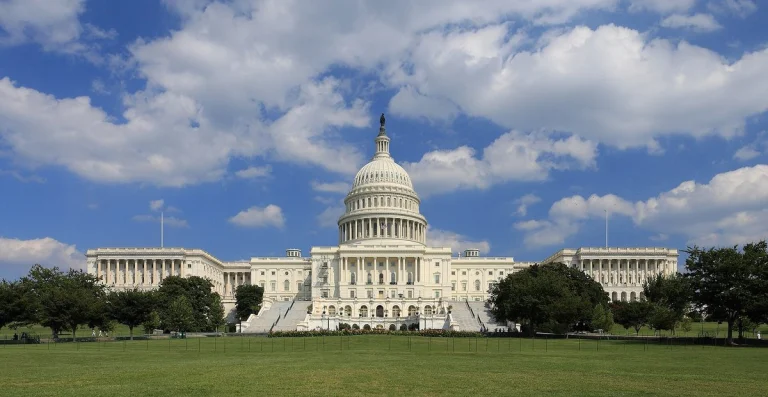
Investors worried that Democratic control of Congress could mean tighter scrutiny or slower federal embrace of AI infrastructure — a narrative layered on top of existing doubts about returns on massive data-center spending.
Politics plus valuation stress
Separately, coverage of Elon Musk’s midterm spending — including a BBC account of his large Republican outlays — underscored how closely tech fortunes and U.S. politics are now watched as one story. Musk deleted some pro-Republican posts after results soured for his preferred candidates, a symbolic footnote to a week defined by red ink on trading screens.
Asian officials moved to calm markets, with South Korea easing some leveraged-trading rules and Taiwanese authorities reportedly urging state banks to support prices. Those steps helped trim early losses but did not erase the message: the AI trade is volatile when Washington’s power map shifts.
What it means for ordinary investors
One down week is not a verdict on artificial intelligence as a technology. It is a reminder that mega-cap tech valuations assume friendly policy and endless capital expenditure. When either assumption wobbles, indexes built on those names wobble with them.
Traders will watch chip stocks, Treasury yields and any early Democratic committee agendas on tech. For everyone else, the headline is simpler: after the blue wave, the AI trade had a rough morning.
Chipmakers sit at the center of the AI trade because every model needs processors and memory. When Nvidia and peers drop hard, retirement accounts feel it even if the holders never bought an individual semiconductor stock. That is why a Washington power shift can move Seoul and Taipei before New York opens.
Some strategists argue the selloff mixes three fears: slower AI capex, higher political risk for big tech, and simple profit-taking after a long run. Untangling those strands will take more than one Friday. Stabilization steps in Asia show governments are watching retail panic as closely as fund flows.
For long-term investors, the week is a stress test, not a eulogy for artificial intelligence. For traders, it was a reminder that narratives about elections and narratives about earnings now price into the same tickers. After the blue wave, the AI trade learned that the hard way.