Why Alaska, Kansas and Mississippi still have no midterm winners days later
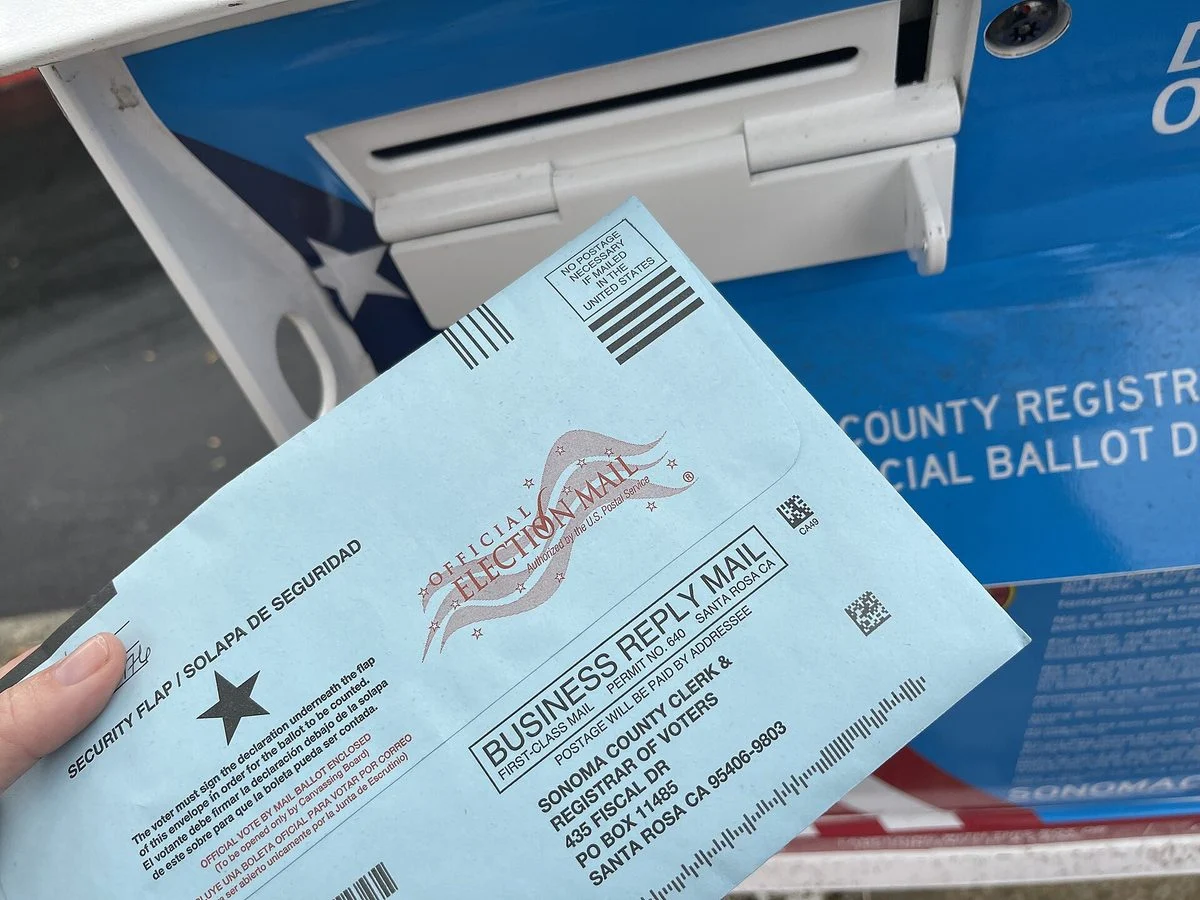
Most of America knows who won the midterms. In Alaska, Kansas and Mississippi, official calls are still waiting on ballots, rules and razor-thin margins.
According to Al Jazeera and AP News, the delays are procedural, not mysterious. Each state runs its own calendar for mail, provisional and ranked-choice counting — and those calendars do not match cable-news impatience.
Different states, different clocks
Alaska’s Senate tally can stretch past two weeks because of remote mail delivery, some hand-counted precincts, and ranked-choice tabulation scheduled for mid-November, The Washington Post explained before Election Day. Mississippi is working through provisional and late-arriving mail ballots with a resolution deadline around November 10. Kansas’ governor’s race remained uncalled despite nearly complete reporting because the margin was extremely narrow and remaining mail ballots could still matter through early November, with certification later.
None of that equals fraud by itself. It equals federalism: fifty election systems, not one.
Why the rest of the map moved on
Democrats’ national gains were large enough that a handful of undecided contests do not change control of Congress. They do change local power, Senate math at the margins, and how long lawyers stay on retainer. AP and other outlets withhold race calls until statistical and procedural thresholds are met — a practice designed to avoid walk-backs.
For readers scrolling past “still counting” headlines, the practical advice is simple. Check the state’s election board, not a viral map. In Alaska, Kansas and Mississippi this week, patience is part of the process.
Misinformation often fills the gap between Election Night graphics and final certification. When maps stay gray, bad actors invent reasons. The dull truth in these three states is paperwork and geography: bush planes and ranked-choice rounds in Alaska, provisional envelopes in Mississippi, a photo-finish governor’s race in Kansas.
National networks moved on because control of Congress was already clear. Local candidates, donors and secretaries of state cannot move on until every lawful ballot is counted under each state’s code. That asymmetry — national certainty, local suspense — confuses casual scrollers every cycle.
If you are waiting on one of these races, follow the state election division and AP’s race calls, not partisan influencers. Democracy here is slow on purpose. In Alaska, Kansas and Mississippi this week, slow is still on schedule.