Tesla to wind down Cybertruck production in 2027 after sales fell far short
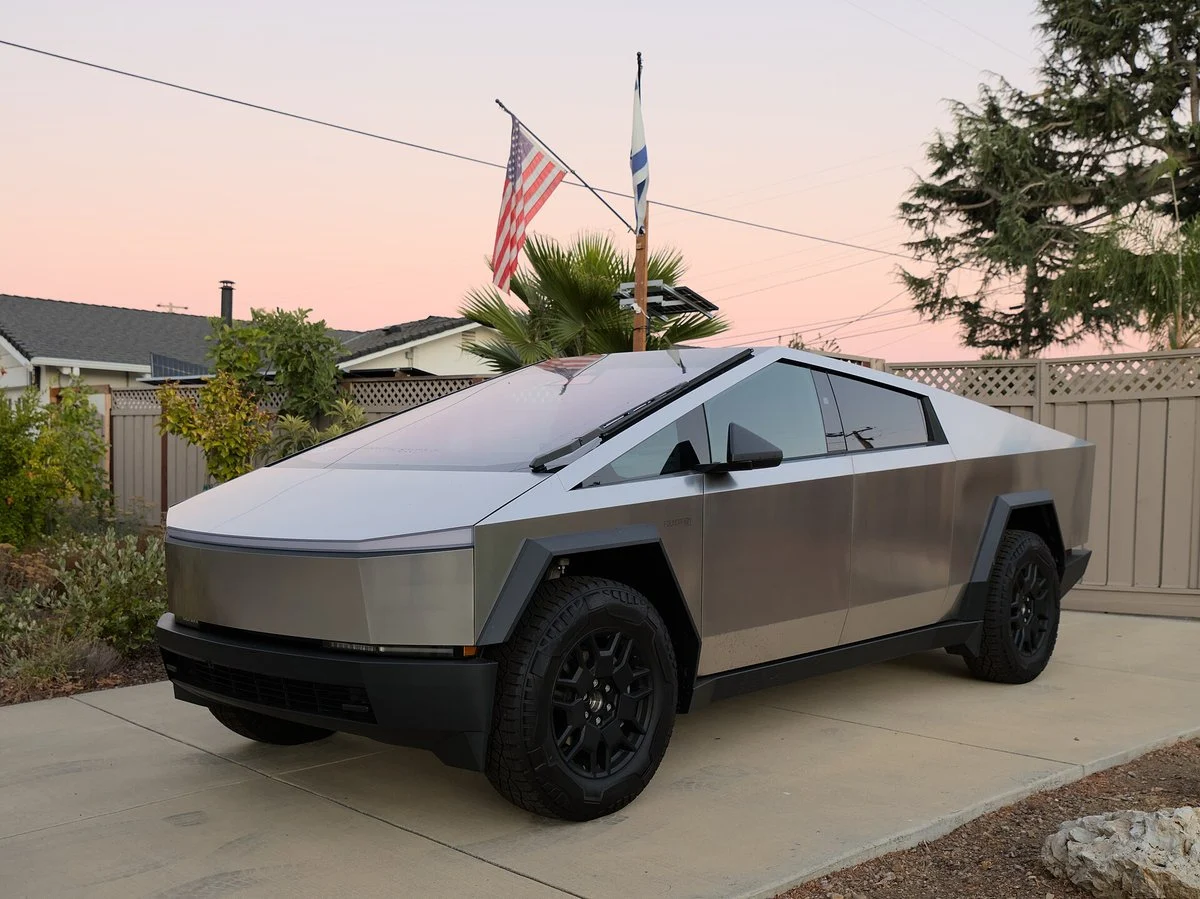
Tesla’s Cybertruck, the stainless-steel pickup that divided opinion from the moment it was unveiled, is being wound down at its only factory.
Elon Musk said on Friday that Tesla will start scaling back Cybertruck production at Gigafactory Texas “around the middle of next year” to free up space for more Cybercab robotaxis, CNBC reported. “Tesla will be winding down production of the Cybertruck at Gigafactory Texas around the middle of next year to make room for increased Cybercab production,” he wrote on X.
Far below the big promises
When deliveries began in late 2023, Musk predicted annual sales of around 250,000 trucks. The reality was very different. According to Kelley Blue Book figures cited by Reuters via NBC News, Tesla sold 20,237 Cybertrucks in the US last year, down 48% from 38,965 in 2024.
The truck’s heavy, angular design meant it was only sold in a handful of markets. As US demand fell, Tesla started deliveries in South Korea in November 2025 and in the United Arab Emirates in January, AFP reported. It also faced several recalls.
The vehicle’s 2019 launch event became famous for the wrong reasons when its supposedly unbreakable window cracked on stage, a moment LADbible recalled in its coverage.
Is it really the end?
Musk did not say whether the truck would be built elsewhere or discontinued altogether. The Austin plant is the only known Tesla facility equipped to make its specialised parts, and TechCrunch summed up the news bluntly: Tesla will stop making the Cybertruck in 2027.
When one user on X called it “the end of an era” and the “best vehicle Tesla has ever made”, Musk replied: “True, but the Cybertruck fleet will be around for a long time.”
Cybertruck lead engineer Wes Morrill wrote that the vehicle “was an incredible technology development platform and lives on through Cybercab”.
Betting on robotaxis
The Cybercab is a two-seater with butterfly doors and no steering wheel, pedals or mirrors. Production began in April, and Tesla started offering paid rides in Austin in September. Musk sees it as the backbone of a global robotaxi network, part of his push to reshape Tesla as an AI and robotics company.
That bet is not yet proven. US safety regulator NHTSA opened an audit in September into how Tesla self-certified the Cybercab’s compliance with federal safety standards, Reuters reported.
For owners, the trucks will stay on the road. For Tesla, the Cybertruck’s exit marks a clear shift in priorities away from bold pickups and towards driverless cars.